
The world is rightfully enraged right now at the killing of a black man at the hands of a white police officer. George Floyd, an African-American man from Minnesota, died after Derek Chauvin of the Minneapolis Police Department knelt on the former’s neck for more than eight minutes on May 25th, 2020. Floyd was arrested for allegedly using a counterfeit $20 bill at a diner. Chauvin was charged with Third-degree Murder, and Second-degree Manslaughter.
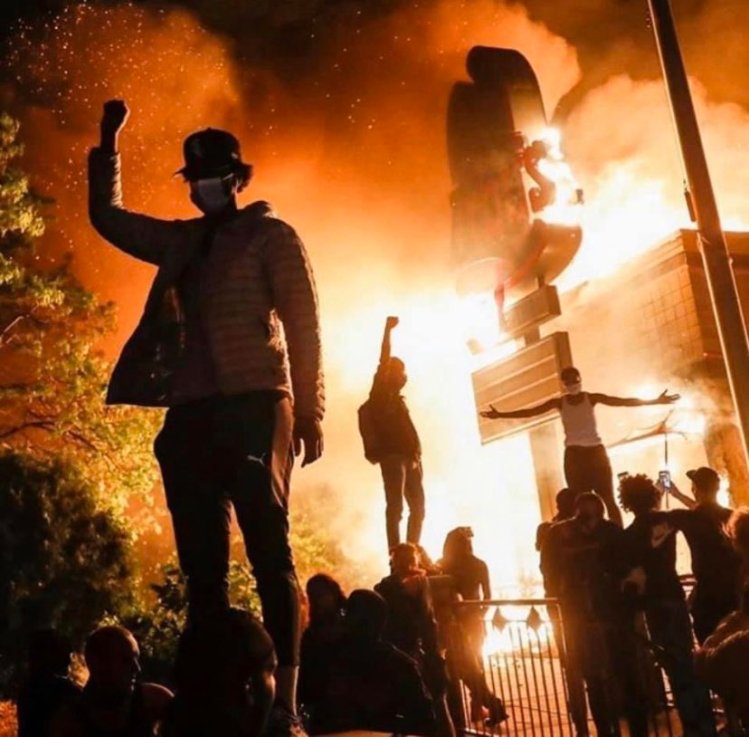
Riots have engulfed the city of Minneapolis as a result of the racially-charged incident, with protests in other US cities denouncing the horrifying incident also happening. Floyd’s death isn’t unique, as there have been several other deaths by black men and women at the hands of white policemen — which makes it even worse considering no action has been taken to put an end to these unjustified killings during previous incidents.

The internet has allowed for people around to pass on their support to the Black Lives Matter movement in every way they could — be it moral support, financial, or by providing information and enlightening others as to why the movement is important. Unfortunately, there are those who, while having good intentions, have fallen flat in their attempts at “supporting” our brothers and sisters in their fight against discrimination.
There was a… trend… circulating today around Instagram where people tag 10 people on IG stories who, in turn, are encouraged to tag 10 others in a sort of chain message style post with the hashtag #BlackLivesMatter. Specifically, the text on there says “(Tag) Ten accounts that won’t break the chain”. That’s where I let out a huge sigh of exasperation.
Let me get this out of the way immediately: whoever started this obviously had good intentions. That is not a question. However, intentions, no matter how good they may be, are almost always never enough. The text on the post simply suggests to the poster to tag people who they think are active Instagram users and will likely participate in the trend. In no shape or form does it educate or inform those who are tagged of the struggles behind the Black Lives Matter movement. It simply seeks to have the hashtag become viral, which is of no real value to what supporters are fighting for.
On Twitter, when hashtags with social and political implications trend or go viral, they are usually accompanied by informative texts that, at the very least, give you an idea why the subject is pretty hot at the moment. Context matters, more so in an age where information is so widely and easily dispensed that in the process of passing it along, a topic or idea can lose its value and meaning (or in a worst case scenario, have it altered altogether).
Social media is a powerful tool. Everyone is already aware of this. Users feel empowered because they literally have in their hand a catalyst for change. But as with every weapon, the ability to use it should be matched with having a critical-thinking mind to assess how to use it and when to use it. Good intention alone is not enough, especially in situations with high stakes.
 patrickkennan.com