
On Day 2 of Byaheng Pandays: Iloilo Edition, the group went to Guimaras Island for another day of activities. Guimaras is a 20-minute pump boat ride from Iloilo City, that costs PhP 14.00, one-way. The first trip is at 6 AM, with boats coming and going immediately once the maximum number of passengers per trip has been reached. There are two wharfs in Iloilo City where pump boats going to Guimaras are found — one in Parola and one in Ortiz, both within the City proper.
We arrived at the Ortiz wharf from Oton at around 7 AM and proceeded to buy tickets, sailing soon after.
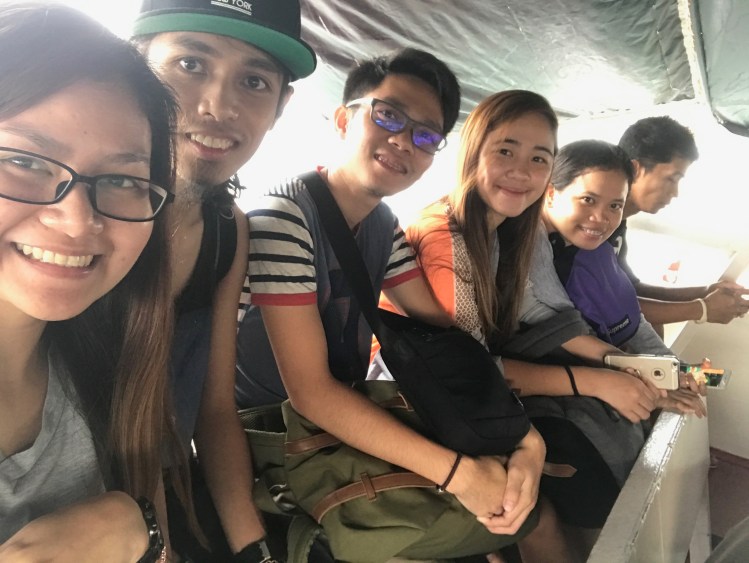
Upon arrival at the Jordan (pronounced /Hor-dun/) wharf in Guimaras, tourists are supposed to enter the Tourism Office (located in the wharf itself) to sign a visitor’s manifesto as well as receive some orientation from the tourism officers there. Outside the office, jeepney and tricycle owners (the two main modes of transportation in the island) will crowd you to convince you to rent their vehicles.
Based on what the owners offered us, it costs PhP 2000.00 to rent a jeep for the whole day, plus an extra PhP 450.00 if you want to have the driver pick you up the following day from your resort. The tricycle costs PhP 1500.00 plus an extra PhP 250.00 for pickup the following day. Both had the same itinerary (which we’ll talk about later).
We chose to rent the jeepney because, while it’s more expensive than the tricycle, the jeepney is much more convenient as it had more space and we had big bags.
The Smallest Plaza
Our first stop was Guimaras’ smallest plaza found in the town of Jordan. The name says it all, it’s a small plaza, roughly 3 x 3 meters. There’s not much you can do except stare at it or take photos. We did neither.
Guimaras’ Oldest Church
We proceeded to the oldest church in Guimaras, found in Buenavista town, called Navalas Church. It’s a small church made of limestone and that’s pretty much it. What’s cool, though, is there’s this Spanish era sentry with a mini tunnel which one must pass upon entering the church premises.

 Roca Encantada
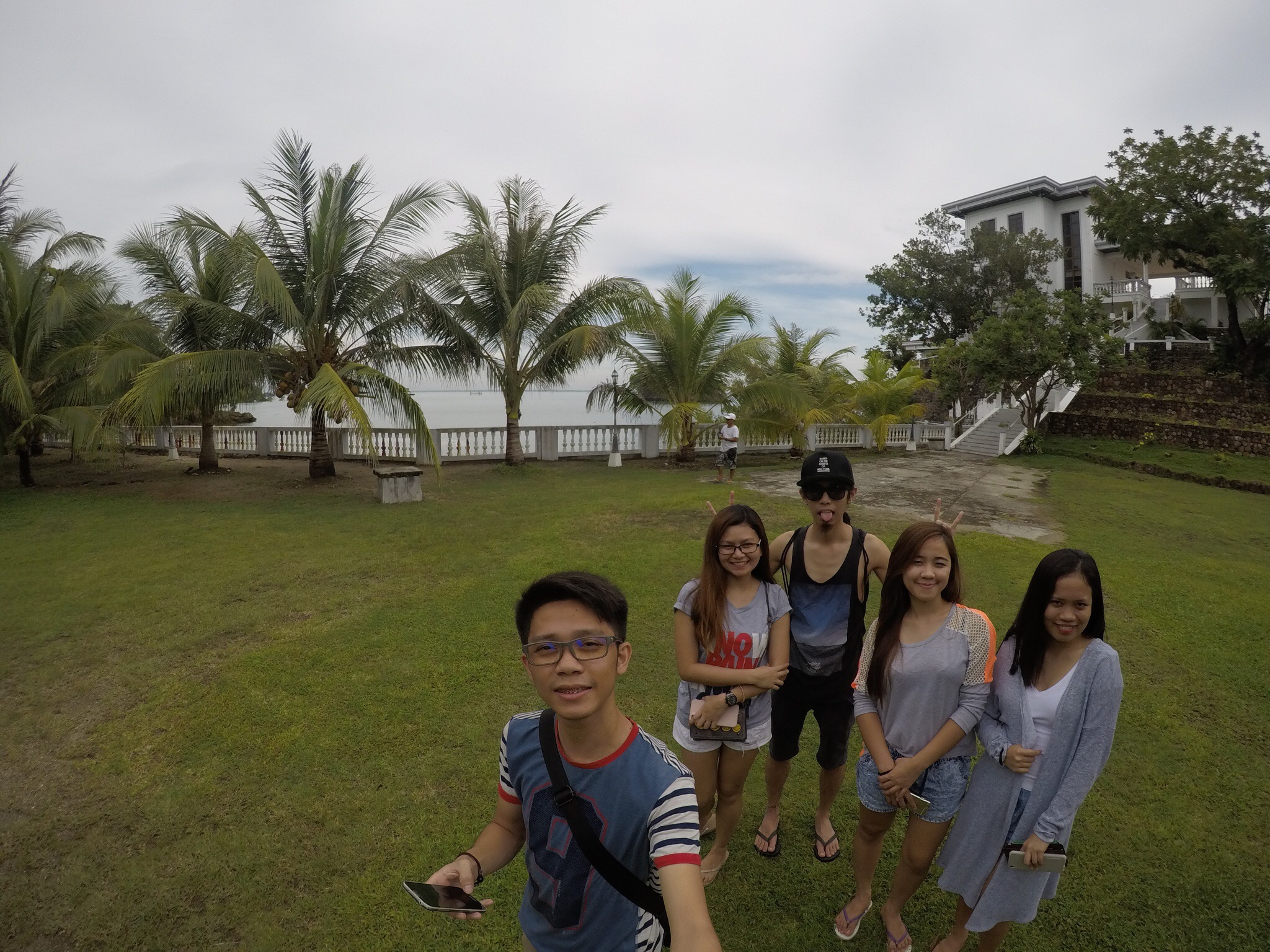
From what the driver/tour guide said, Roca Encantada is an old mansion by the Lopez family (not sure if they’re related to the Lopez clan of Iloilo… they have one thing in common though, they love owning mansions). It’s a nice estate overlooking the sea. The veranda has a nice view of the briny deep, and I’m pretty sure in the past, lots of nice breakfasts were had whilst the sunrise was enjoyed by the Lopez family. Unfortunately, the waters in the immediate vicinity of the mansion is littered with garbage when we visited. There is a Php 50.00 entrance fee.
Guimaras Windmills
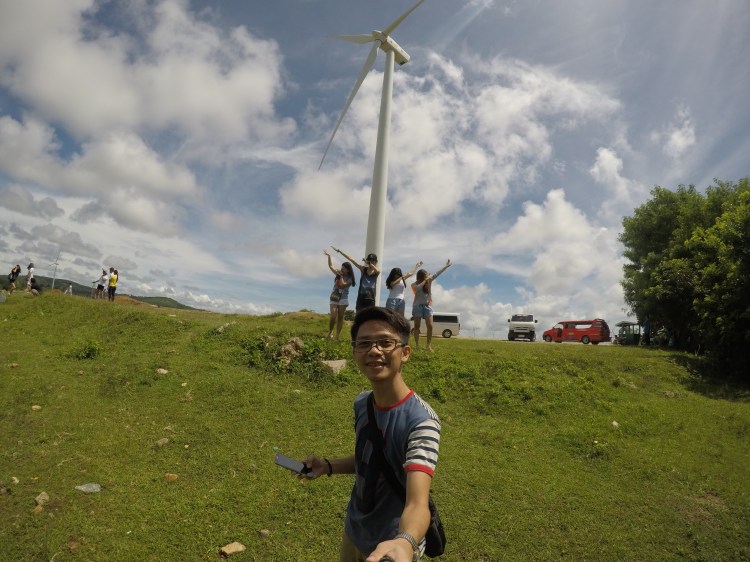
Our next stop was the Guimaras Windmill farm in San Lorenzo town. As the name suggests, it’s a place where windmills are found! These windmills provide a clean and renewable supplementary source of energy for the island. There are 27 windmills standing, and while they’re not the same in terms of quantity as the ones found in Ilocos Norte, they’re every bit as majestic. It’s up to the tourists’ “diskarte” to get good photographs of the windmills, though. This experience is free of charge, by the way.
Guimaras Marker
A big G-U-I-M-A-R-A-S marker (with a statue of a mango, Guimaras’ number one export product) can be found at the Guimaras Provincial Capitol. As with any millenial adventure, it would be utterly ludicrous to not have a photo taken to indicate that you’ve been to a certain location, and this marker is perfect for that.

Trappist Monastery
The Our Lady of the Philippines Trappist Monastery is a Catholic monastery where tourists can buy religious items such as rings and pendants, as well as souvenir items such as t-shirts and food items. Now, it would be a shame if one didn’t buy the mango-based souvenir items sold there such as mango polvoron, mango tart, and mango butterscotch, to name a few. Mangoes are the island’s main product, and they are going all-in at promoting this. There is no entrance fee here.
Mango Plantation
Speaking of mangoes, we passed by the area where exported mangoes are grown. It’s located on a hilly area and whilst I am no agriculturist, but I’m pretty sure the cool climate there contributes to the flavor that makes Guimaras mangoes stand out.
Guisi Point Lighthouse
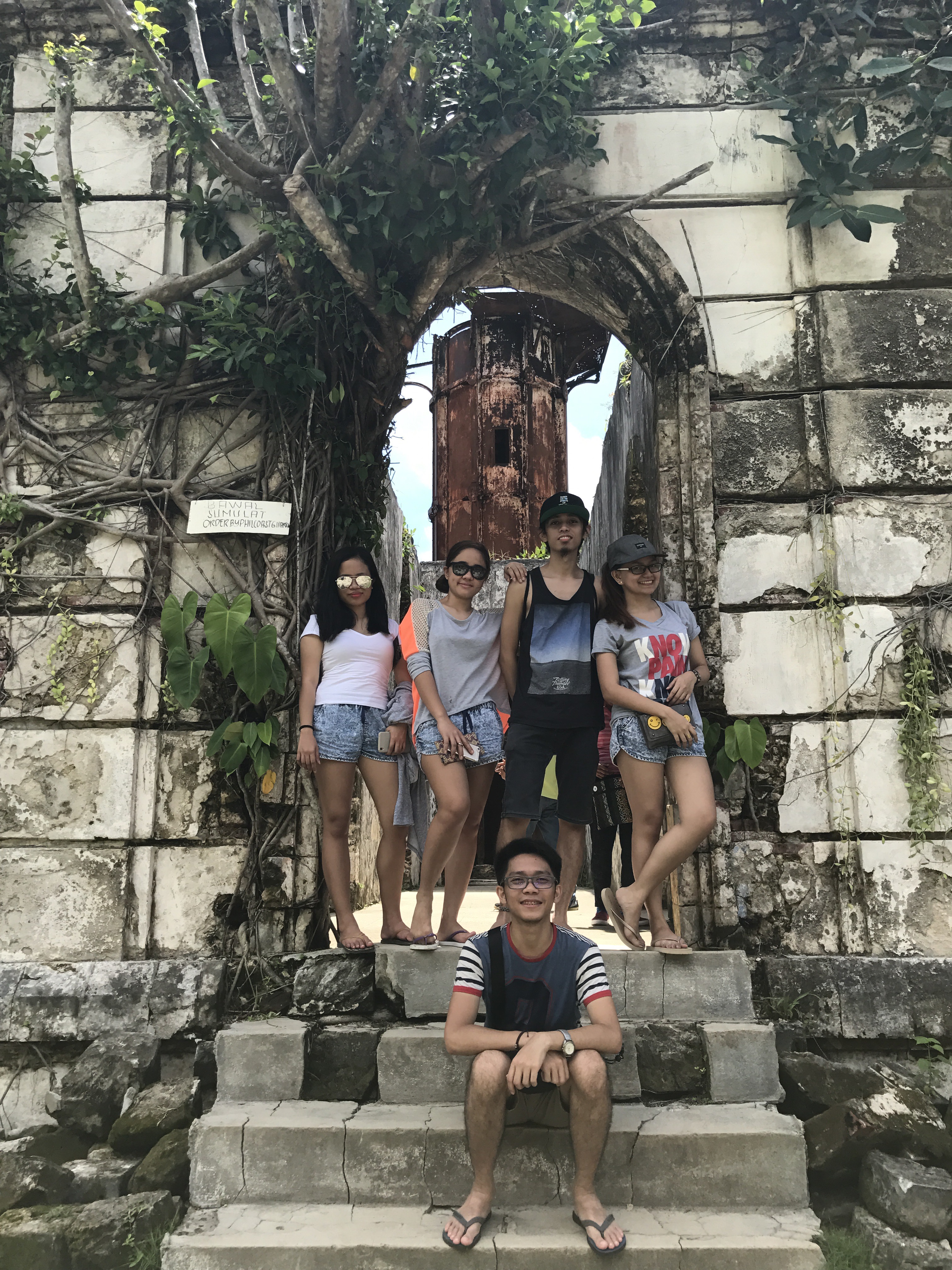
The Guisi Point Lighthouse is well-known to Ilonggos, and while I have bathed in the beach below the lighthouse, I’ve never been to the lighthouse itself and the surrounding ruins prior to Byaheng Pandays. I gotta admit, it was an expectation-versus-reality moment when I saw the lighthouse itself, as I expected it to be much bigger, but the ruins around it has a mysterious aura that gives tourists a glimpse of the past.
The ruins and the lighthouse make for a great photo background for people who are into that stuff (like us). There’s a sign that says “Gina dili-an ang pagsaka sa lighthouse kay delikado” (it basically means you’re not allowed to go up the lighthouse because it’s dangerous… because ~of course~ we need to be reminded that ancient structures are unstable), but there are people who still go up and take pictures. Like to live dangerously, eh?
Raymen Resort
The lighthouse was the last location on our itinerary so the driver dropped us off at our resort, Raymen Resort in Brgy. Alubijod, Nueva Valencia town. We booked a non-airconditioned room in the East Wing. It costs PhP 2000.00, good for 6 people, with 3 double beds, electric fans and a shower room. The resort also has a restaurant with affordable choices. They have combo meals worth PhP 90.00 per person.
For full room rates and ameneties, check out their website.
Island Hopping
The following morning we went island hopping. Why stay in a beach riddled with little islands if you have no plans of island hopping, right? Raymen Resort’s island hopping rate is PhP 500 for the first hour and PhP 150 for every succeeding hour. The first trip is at 6:30 AM, with a first-come-first-serve policy. Resorts in Guimaras have their own island hopping itineraries, and Raymen had 10 islands/beaches in theirs.
Unfortunately, due to the habagat, the waves were unnervingly huge, forcing us to visit only 4 locations, 2 of which swimming is allowed. The other 2 are for sightseeing only.
We bathed and swam around Baras Beach. It was a wonderful beach, with clear water, white sand, and for a fee of PhP 100.00, one can rent snorkels to check out the fish swimming around.

We then proceeded to the Floating Cottage (after sailing through the biggest waves in my entire life, no joke). The name speaks for itself, it’s a cottage that’s floating in the middle of the sea. Tourists can swim around, and if you have an adventure boner, you can climb up a 15-foot platform and jump to the water below.
There’s a PhP 200 entrance fee, and before you complain that it’s expensive, it’s not a per person fee, it’s per group. There is no limit as to the number of times you can lose your sanity and willingly jump off a tall platform.
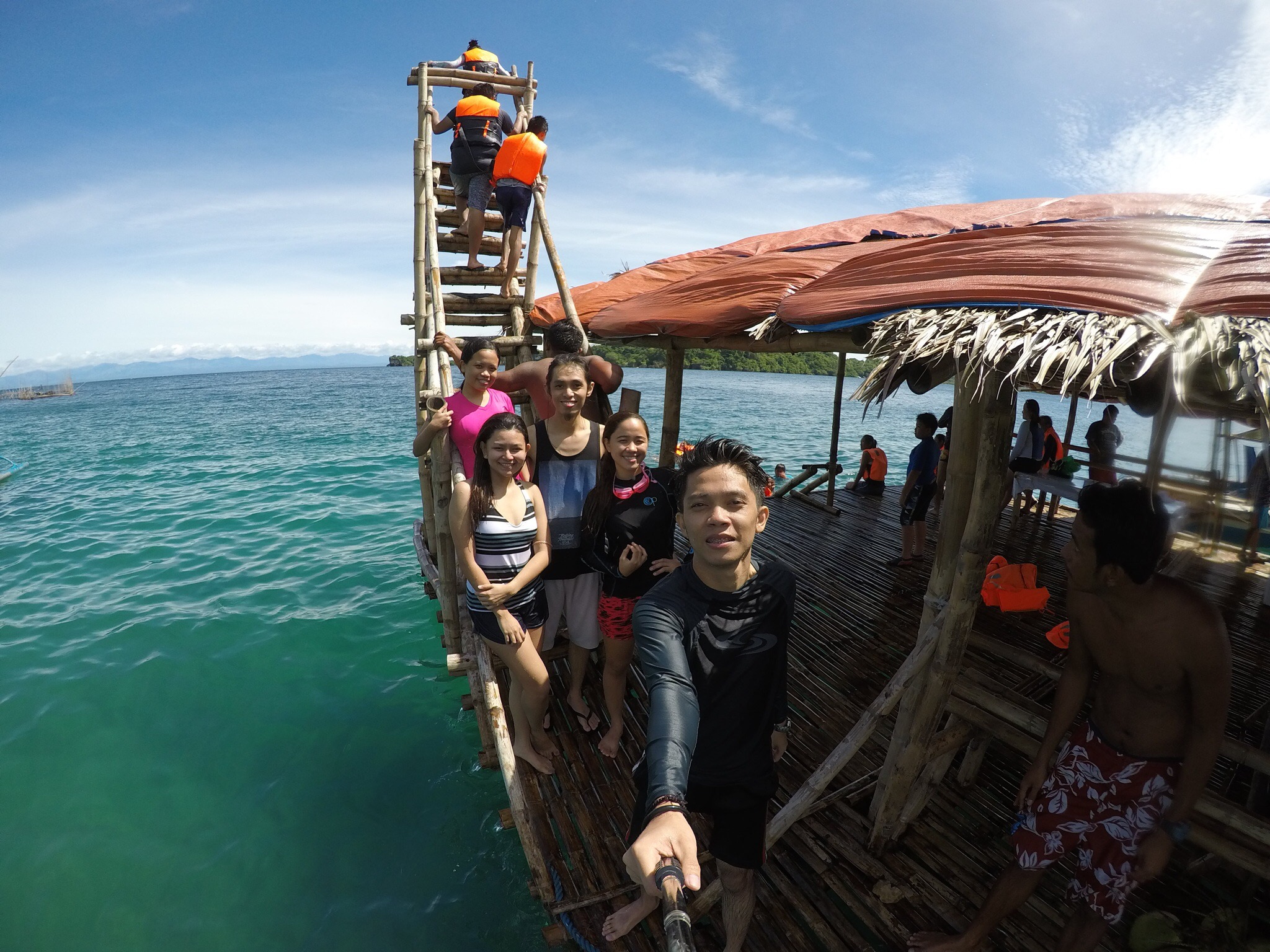
We ended the island hopping adventure after our stop at the Floating Cottage because, seriously, the waves were getting scary. One of us, not saying who, had already vomited at this point after having their stomach churned. I’ve never been happier setting foot on dry land before *smiles on the outside, sobs uncontrollably on the inside*.
Read more:
 patrickkennan.com